
· Hendersonville Tree Service
The Importance of Mulching
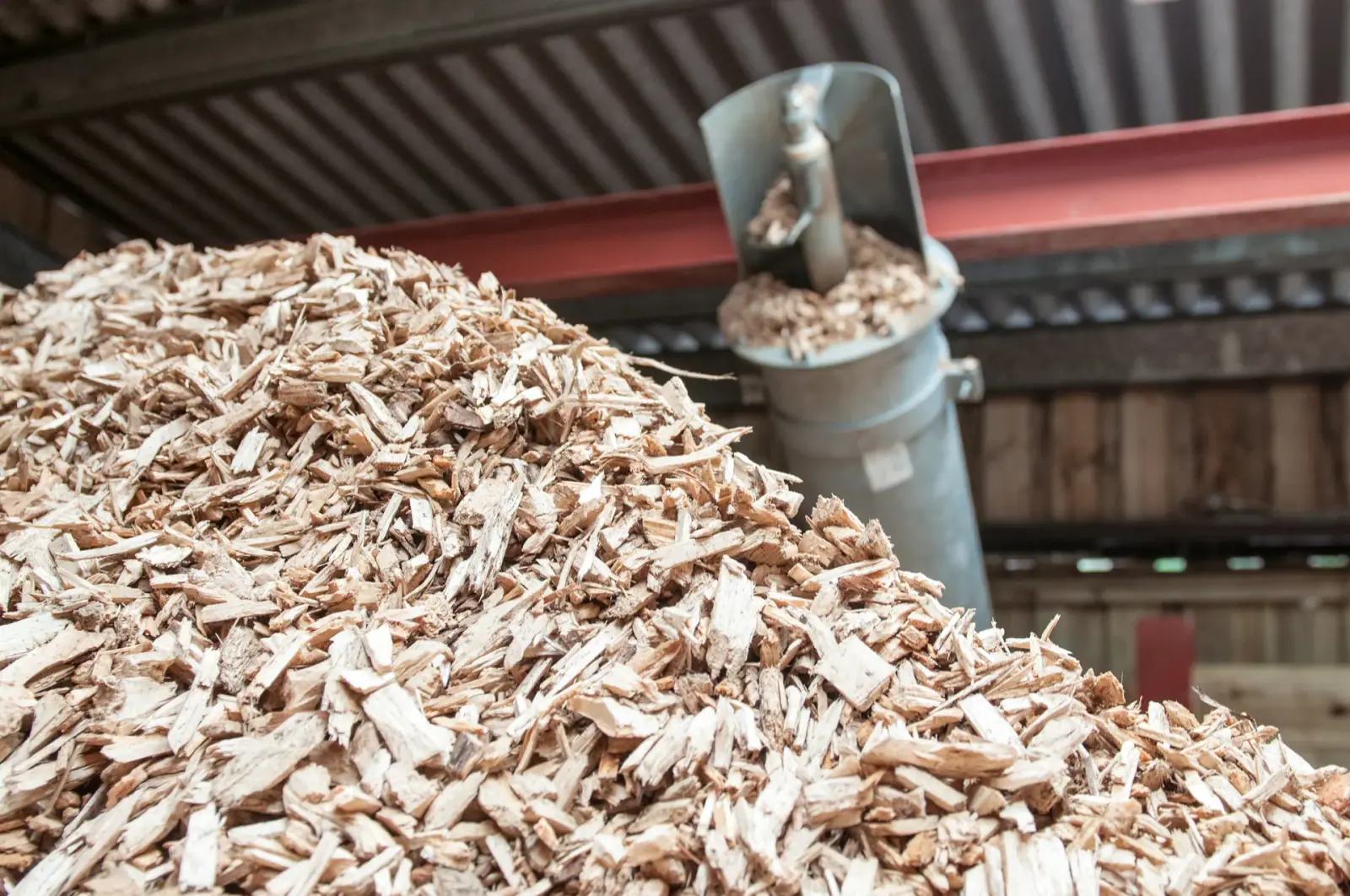
The Importance of Mulching
Mulch is one of the simplest and cheapest things you can do for a tree. A ring of wood chips or shredded bark two to four inches deep, spread over the root zone and kept off the trunk, holds moisture in the soil, evens out soil temperature, keeps grass and weeds from competing with roots and gives mowers and string trimmers a reason to stay away from the bark. Over time it also breaks down and improves the soil.
Why does mulch matter so much for trees?
In a forest, trees grow in a natural layer of fallen leaves and rotting wood. That layer keeps roots cool and moist and slowly feeds the soil. In a lawn, grass competes for water and nutrients, and leaves get raked away. Mulch gives yard trees some of what they would get in the woods.
Mulch can help the soil retain moisture and moderate temperature changes. In Henderson County that matters during dry spells in late summer and early fall, when the top of the soil can bake hard, and in winter, when bare ground freezes and thaws over and over. A defined mulched area also keeps mowing and trimming equipment away from the trunk. Mower and trimmer wounds at the base of the trunk are one of the most common ways young trees get damaged.
Mulch also helps with heavy clay soil, which covers much of the area. As it breaks down, it adds organic matter that loosens clay over the years and helps water soak in instead of running off slopes.
Keep the trunk clear
Place mulch on the soil surface rather than mixing a deep layer into the ground. Keep it away from the trunk instead of piling it against the bark. Pull it back a few inches so the base of the trunk and the root flare, where the trunk widens into the roots, are visible.
Mulch piled up the trunk in a cone, sometimes called a mulch volcano, keeps the bark wet. That invites rot, insects and rodents that chew bark under cover. It can also encourage roots to grow up into the mulch and circle the trunk, eventually girdling the tree.
Check what is already there before adding more. Repeated yearly applications can build up into an unnecessarily heavy layer. More than about four inches can keep water and air from reaching the roots. Often you only need to rake the old mulch to loosen it and top it up lightly.
How wide should a mulch ring be?
Wider is better. For a young tree, aim for a ring at least three feet across. For larger trees, extending mulch out toward the drip line, the edge of the canopy, covers more of the root zone. A wide, flat ring like a doughnut is the goal, not a tall pile.
On a slope, a slightly raised edge on the downhill side helps keep mulch and water from washing away in heavy rain.
Choose the material and finish deliberately
Wood chips and shredded bark are the most common mulch materials for trees. Coarse wood chips from tree work last a long time and let water through easily. Shredded hardwood bark knits together and stays in place on slopes. Pine straw is popular in the Southeast and works well around acid-loving trees such as dogwoods and hemlocks.
Avoid plastic sheeting under mulch, which blocks air and water. Landscape fabric tends to get clogged and pushed up by roots over time. Rock mulch holds heat and does not improve the soil.
Fresh wood chips are fine as a surface mulch. They can tie up a little nitrogen right at the surface as they break down, but this rarely affects trees when the chips are not mixed into the soil.
Talk about the finish you want before tree work begins, especially if chips will be produced on site. Keeping chips and hauling them away are different cleanup arrangements, so do not assume either one is included in a quote.
When is the best time to mulch?
You can mulch any time of year. Late spring is a good time because the soil has warmed and the mulch will hold in spring moisture before summer heat. Fall mulching helps protect roots through winter.
For more on how mulch supports tree health, see why mulching is required for tree health. For how chips are produced and handled during tree work, read why we use tree chippers. If you need help with the trees themselves, Hendersonville Tree Service offers residential tree service across Henderson County.