
· Hendersonville Tree Service
How to choose a tree for your property (Part 1)
How to choose a tree for your property (Part 1)
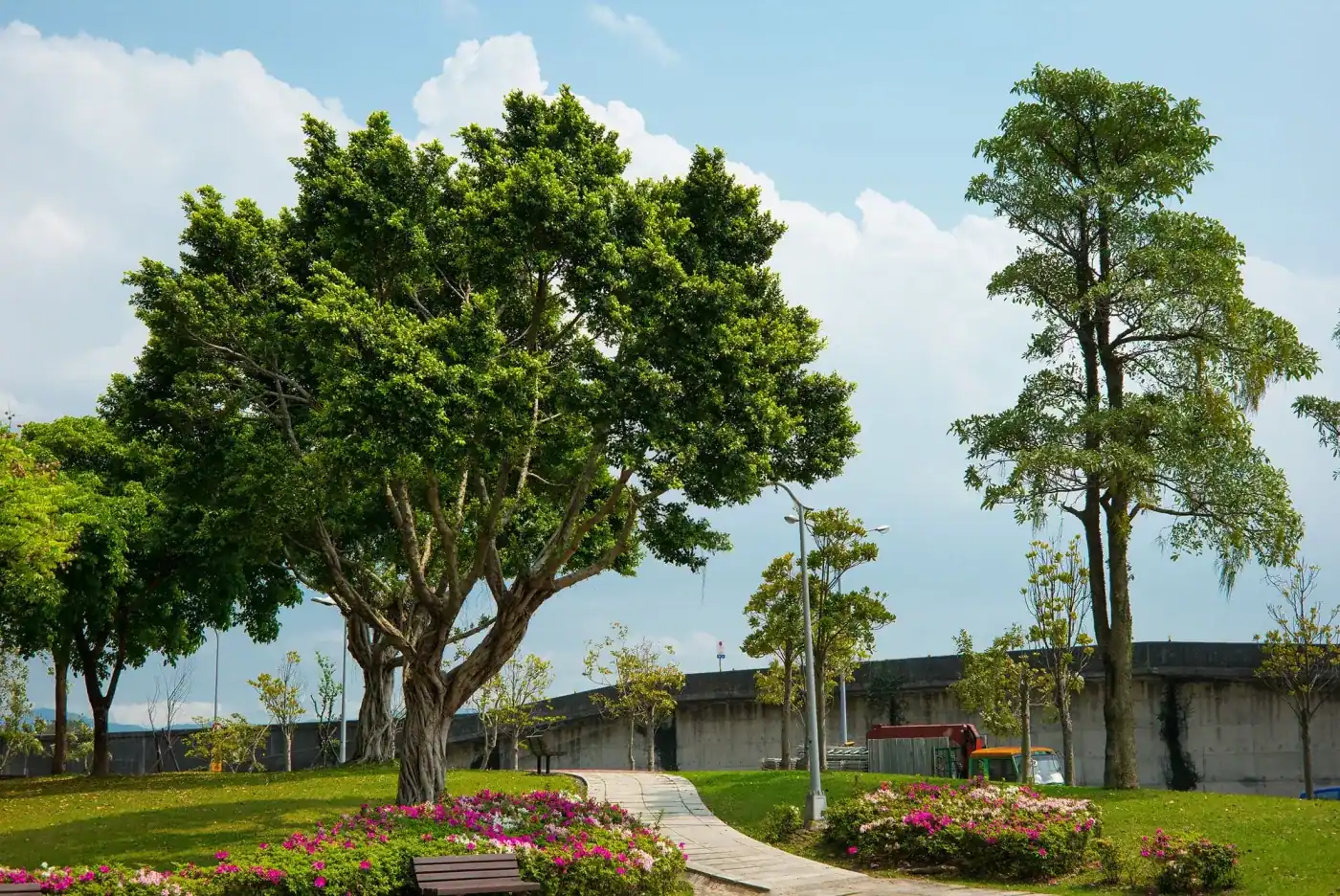
If you are choosing a new tree for your property, start with two questions: what do you want the tree to do, and how much room will it have when it is full grown? A well-placed tree gives decades of shade and beauty, but there are hundreds of species to choose from, and the right one for a sunny Hendersonville lawn may be wrong for a shady slope in Laurel Park. It helps to sort them into two groups, shade trees and ornamental trees.
What makes a good shade tree?
Shade trees are large, long-lived trees with a broad, dense canopy. Planted in the right spot, usually on the south or west side of the house, they cut summer heat and can lower cooling costs. The leaves block direct sun, and water evaporating from them cools the air nearby.
Common shade trees include:
- Ash
- Beech
- Elm
- Forest eucalyptus
- Linden
- Maple
- Sourwood
- Sycamore
A few of these are poor choices in Western North Carolina. Ash trees are under serious threat from the emerald ash borer, which has spread through North Carolina, so most local advice is not to plant new ash. Eucalyptus is not reliably hardy in the mountains and rarely survives a Henderson County winter. Sycamores grow very large and like moist ground near streams, so they need plenty of space. Maples, including red and sugar maple, and sourwood are well suited to the area, and sourwood is a native with good fall color. Native oaks such as white oak and northern red oak are also worth considering if you have the room.
Allow for the mature spread. A large shade tree can easily reach 40 to 60 feet across, so plant it at least 20 feet from the house and well clear of overhead power lines, septic fields and the foundation.
What are ornamental trees?
Ornamental trees are smaller trees grown for flowers, fruit, bark or fall color. They fit near walkways, patios and entrances, or as a focal point in a bed, and they change appearance through the seasons. Popular choices include:
- Crabapple
- Dogwood
- Flowering cherry
- Japanese maple
- Magnolia
- Redbud
- Willow
Dogwood and redbud are native to the Blue Ridge and bloom in early spring. Japanese maples handle part shade well and suit smaller yards. Magnolias range from compact varieties to large southern magnolias that need a lot of space, so check the mature size on the tag. Weeping willows love water and have aggressive roots, so keep them away from septic systems, water lines and foundations.
Match the tree to your site
Before you buy, look at the conditions where the tree will go:
- Sun or shade, and for how many hours a day
- Soil type. Much of Henderson County has heavy red clay, which drains slowly
- Slope and drainage. Low spots that stay wet suit a few species, such as river birch, and drown many others
- Exposure to wind and ice, which matters on ridges and open hillsides
- Overhead lines, buried utilities, and nearby driveways or sidewalks
Before you dig, request a free utility locate. Our post on calling the utility company before you plant explains how.
When to get help
Small trees are easy to plant yourself. Larger balled-and-burlapped trees are heavy and awkward, and planting them too deep is one of the most common reasons new trees fail. If you would like advice on choosing a tree or help getting it in the ground, our tree planting and transplanting service works with homeowners across Henderson County, and our guide to caring for freshly planted trees covers the first year.