
· Hendersonville Tree Service
Residential Tree Care in Fletcher, NC
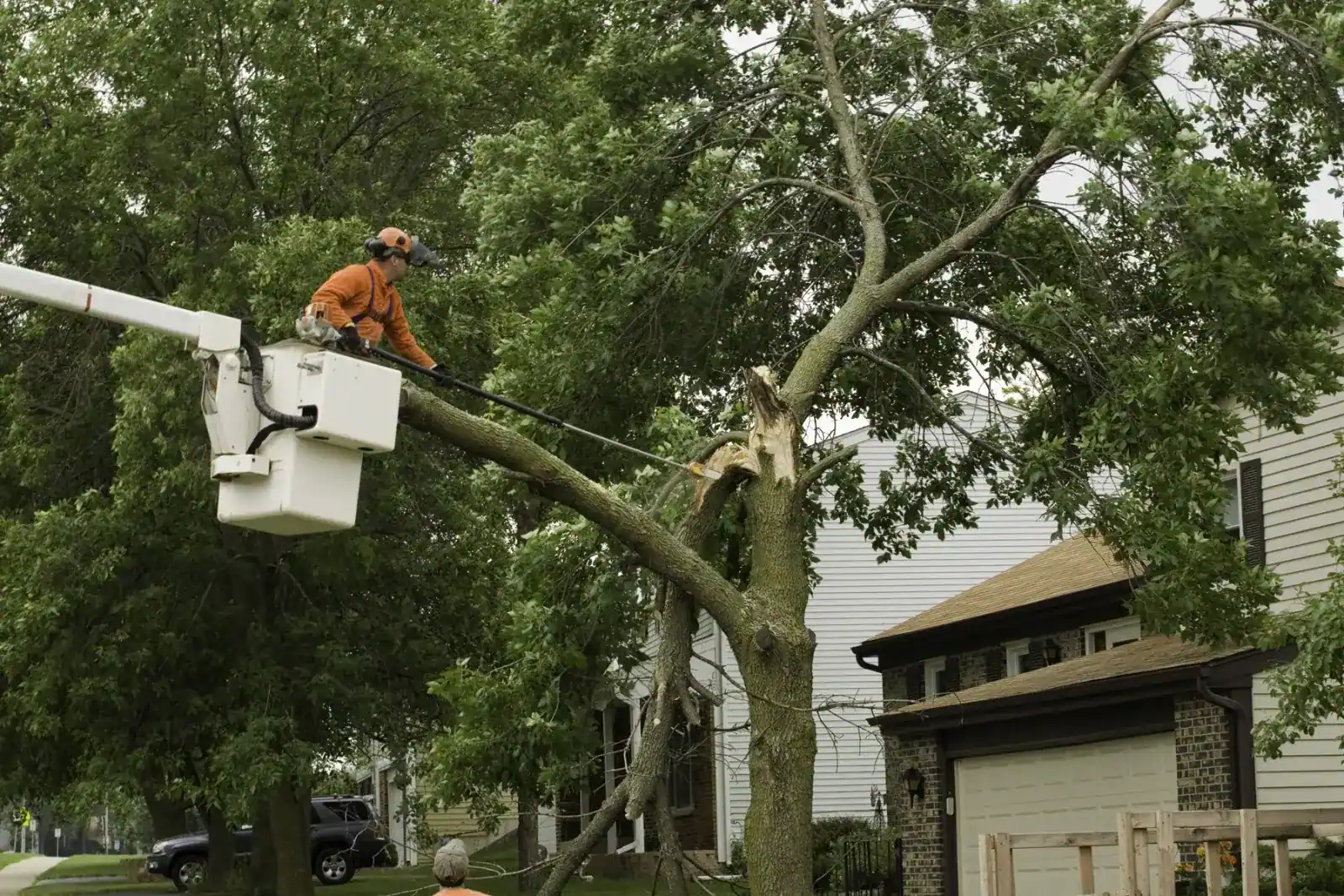
Hazardous Tree Inspection Fletcher, NC
Good residential tree care in Fletcher, NC starts before a tree goes in the ground and carries on for as long as it stands in your yard. Pick the right spot for a young tree, then have mature trees checked on a regular schedule and after every serious storm. Those two habits prevent most of the expensive problems homeowners call about.
What should you check before planting a tree in your Fletcher yard?
Use good judgment before you plant. Find out how tall and how wide the tree will be at maturity, not how big it looks in the nursery pot. A tulip poplar or white pine that seems modest today can pass 80 feet, and a red maple will spread wider than most people expect.
Look up first. If power lines run anywhere near the spot, choose a smaller species or move the tree. Branches that grow into lines have to be cut back hard later, and that is work a homeowner should never attempt.
Then look down. Many trees have sprawling root systems. Find your septic tank, drain field and sewer lines so roots will not interfere with them. Plenty of Fletcher homes outside the town core still rely on septic, and willows, maples and other thirsty trees are known for working their way toward water lines.
Make sure the roots will not damage nearby sidewalks or driveways, and leave room between the future trunk and any permanent structure. A tree set too close to a garage or foundation may need transplanting, or removal, before it grows into the wall. If you have doubts, ask for a consultation before you plant. Moving a sapling costs far less than dealing with a 30-year-old oak in the wrong place.
Why do mature trees need regular hazard checks?
Once you have mature trees in your yard, regular hazardous tree inspection matters. Fletcher sits in the French Broad River valley between Asheville and Hendersonville. The area gets summer thunderstorms, the occasional remnant of a tropical system pushing up from the coast, and winter ice that loads limbs well past what they can carry. Have your trees looked over after any severe storm, even when nothing has visibly come down.
A careful inspection covers the whole tree, from the root flare to the top of the crown. Things worth watching for include:
- Holes or cavities where animals burrow in, which often mark a weak or hollow spot
- Mushrooms, conks or other fungus on the trunk or around the base
- Loose or missing bark, or long vertical cracks in the trunk
- Dead or hanging limbs in the crown
- Soil heaving or cracking on one side of the tree, or a new lean
- Sucker sprouts crowding the base of the trunk
Check the roots as closely as the canopy. Roots damaged by trenching, a new driveway or soil compaction during construction can leave a tree that looks healthy above ground but is poorly held in place. That is a common story in Fletcher's newer subdivisions, where lots were graded around existing trees.
What happens after problems are found?
A finding does not always mean the tree has to come down. Dead and damaged limbs can be removed with careful tree pruning, and thinning or crown reduction can lower the wind load on a tree that is otherwise sound. Pruning also lets sunlight reach healthy buds deeper in the crown. Clearing sucker growth from the base keeps the tree's energy going to its main structure.
When decay or root damage is too far along, removal is often the safer choice, especially if the tree stands over a house, a driveway or a play area. An inspection gives you that information before a storm makes the decision for you.
When should you call for a professional inspection?
Call when you notice any of the warning signs above, after a major wind or ice event, or before you buy a home with large trees close to the house. You can read more about how a hazardous tree inspection works, or see the work we do for homeowners on our Fletcher service area page.
Don't leave your family, home or neighbors exposed to an unhealthy tree or limb coming down in high winds. Contact Hendersonville Tree Service to have your Fletcher trees checked before the next storm season.