
· Hendersonville Tree Service
The Benefits of Tree Cutting
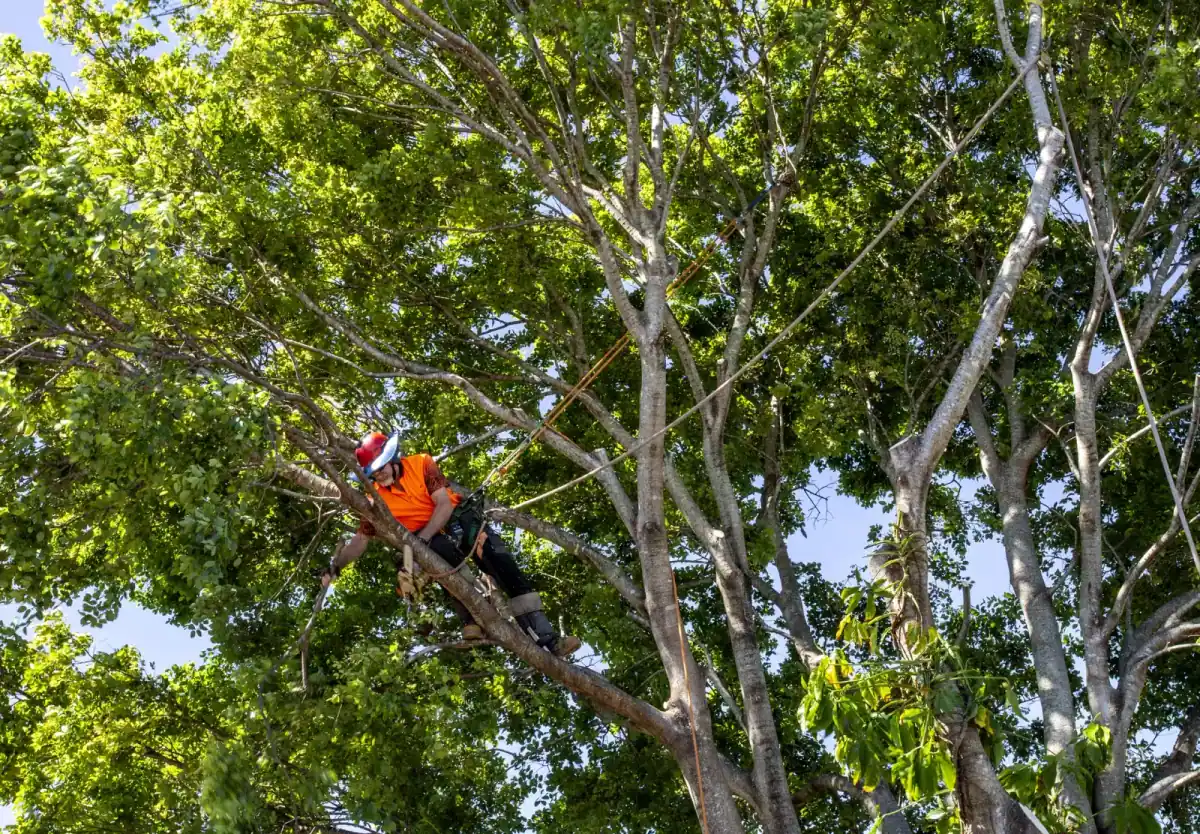
The Benefits of Tree Cutting
Cutting branches the right way makes trees healthier, better looking and safer in storms. Tree cutting has a bad reputation because people picture clear-cut hillsides or trees hacked back to stumps. Careful, selective cutting, usually called pruning or trimming, is one of the most useful things you can do for the trees on your property.
In Henderson County, where many homes sit under tall oaks, tulip poplars and white pines, regular cutting is also how you keep limbs off roofs, out of driveways and away from power lines.
How does tree cutting improve a tree's appearance?
Regular trimming helps a tree keep a balanced, natural shape. Branches that grow toward a house, hang too low over a walkway or make the crown lopsided can be shortened or removed while they are still small. That is far easier on the tree than taking off a large limb years later.
Good cutting follows the tree's own form. The aim is a tree that still looks like itself, only tidier and better spaced. Cutting the top off a tree, often called topping, does the opposite. It leaves stubs that sprout dense, weak shoots and usually makes the tree less attractive and less safe. Our post on the dangers of tree topping explains why.
Better health
Trees that are stressed are more open to fungi, insects and disease. Removing dead, diseased, broken and rubbing branches takes away the easiest entry points. Branches that rub against each other wear through the bark and leave wounds that never close properly.
Thinning a crowded canopy lets more light reach the inner branches and the lawn or garden below. It also lets air move through the crown. Leaves dry faster after rain, which helps reduce some leaf diseases that thrive in our humid mountain summers.
Where you cut makes a difference too. A branch should be removed just outside the branch collar, the slightly swollen area where it joins the trunk. That is where the tree is best able to seal the wound. Flush cuts and long stubs both slow healing and invite decay.
Improved safety
No one can promise how a tree will behave in a storm, but cutting can lower the risk. Weak, dead and poorly attached branches are usually the first to fail in high wind or under ice. Removing them on your schedule is far better than having them come down on a car or a roof.
Thinning also reduces how much wind a crown catches. A dense canopy acts like a sail, while a well-thinned one lets gusts pass through with less strain on the trunk and roots.
Trees near structures and lines need extra attention. A tree left unchecked can grow into power lines or over a neighbor's roof and cause damage nobody expected. Work near power lines should always be left to the utility or a qualified crew.
Which trees need cutting most?
Look first at trees that:
- Have dead or hanging branches in the crown
- Were damaged in a past storm and never cleaned up
- Grow close to the house, driveway, deck or lines
- Look thin or stressed from poor soil, drought or little care
One of the first things a crew will usually do with a tree like that is remove the weak, sick branches most likely to fall.
When is the best time to cut?
Dead or dangerous branches can come off any time of year. For routine pruning, late fall through early spring is usually best, when most trees are dormant and their structure is easy to see without leaves. Our post on the best time to prune trees goes into more detail.
Should you cut branches yourself?
Small branches you can reach from the ground with a hand saw or pole pruner are fair game. Anything that needs a ladder, a chainsaw above your shoulders or climbing is safer left to a crew with ropes, rigging and lifts.
Hendersonville Tree Service offers tree trimming and branch and limb cutting across Henderson County, with the cuts agreed before work starts. Contact us to talk about the trees on your property.